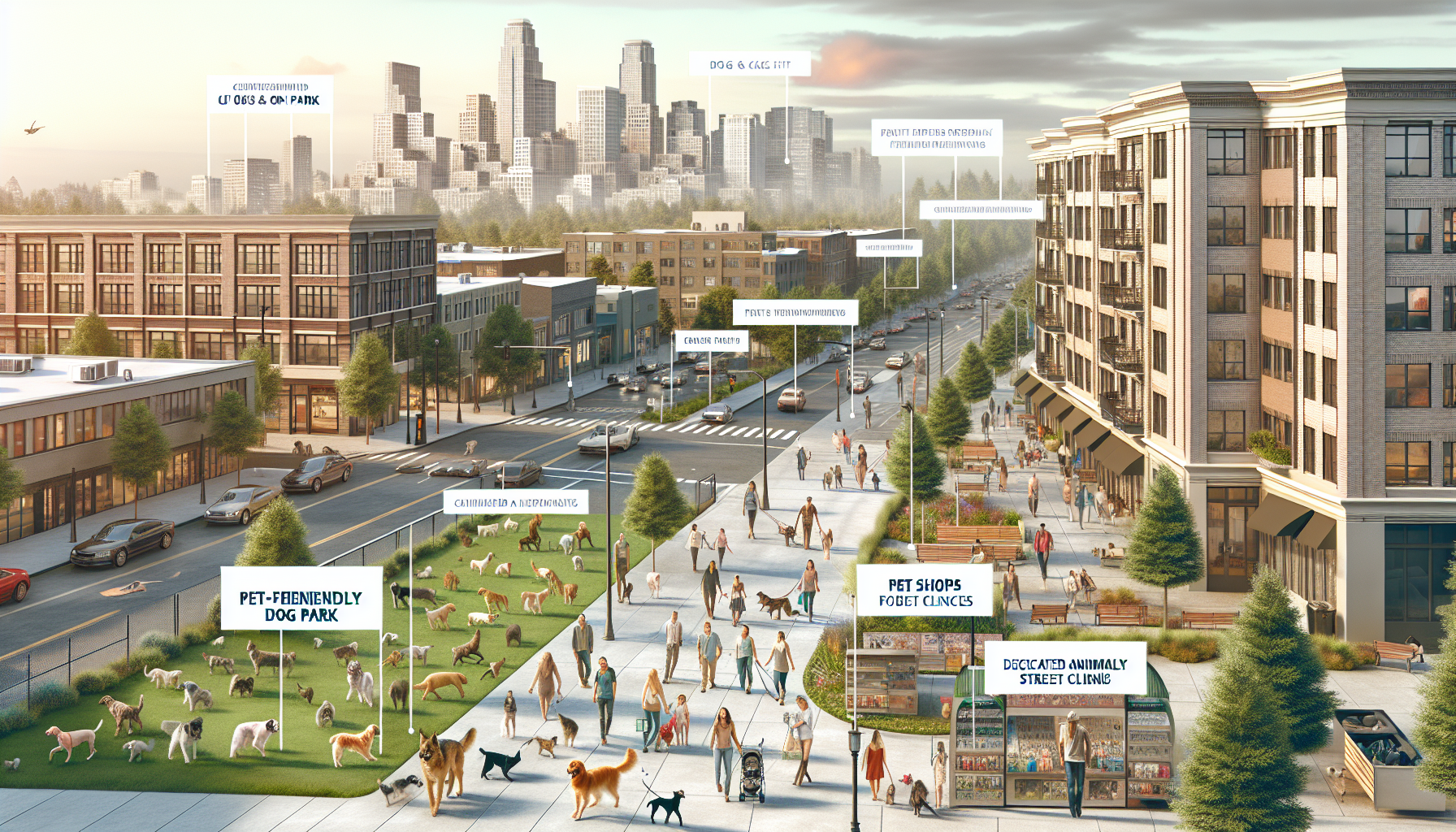
Ensuring Access to Pet Care in Underserved Communities
In order to create truly pet-friendly cities and neighborhoods, it is essential to address the barriers that may prevent access to pet care in both urban and rural areas. Access to veterinary care and other supportive services for pets is recognized as a substantial challenge in underserved communities across the United States (Source).
Addressing Barriers to Pet Care in Urban and Rural Areas
Underserved communities, whether they are located in urban or rural areas, often face limited access to essential pet care services. This can include veterinary care, affordable pet food, spay/neuter programs, and preventive treatments. Barriers such as lack of transportation, limited financial resources, and a shortage of pet care providers contribute to these challenges.
To improve access to pet care in underserved communities, it is crucial to implement targeted interventions. One such intervention that has proven effective is the Pets for Life program. This program focuses on bringing pet care services directly to underserved areas, offering free or low-cost veterinary care, vaccinations, and other essential services. By breaking down the barriers of transportation and cost, Pets for Life helps ensure that pets in underserved communities receive the care they need.
The Impact of Pets for Life Intervention
Research has shown that the Pets for Life intervention has a positive impact on access to pet care in underserved areas. A study conducted using the One Health Community Assessment (OHCA) instrument measured access to pet care perceptions in urban and rural communities with and without the Pets for Life intervention (Source). The study found that the urban community with the Pets for Life intervention had higher overall access to pet care compared to the urban site without the intervention.
Additionally, the urban community with the Pets for Life intervention had greater access to affordable pet care options and pet care service providers who offer payment options. This highlights the importance of providing accessible and affordable pet care services to address the specific needs of underserved communities (Source).
Promoting Affordable and Accessible Pet Care
Promoting affordable and accessible pet care is key to ensuring the well-being of pets in underserved communities. This can be achieved through various initiatives, such as:
- Establishing low-cost or subsidized veterinary clinics in underserved areas.
- Collaborating with local organizations and veterinarians to provide free or discounted veterinary services.
- Offering financial assistance programs or payment options for pet owners who may struggle to afford necessary care.
- Providing educational resources on preventive care and responsible pet ownership to empower pet owners in underserved communities.
By addressing the barriers to pet care in urban and rural areas, and implementing interventions like Pets for Life, we can help create pet-friendly communities that prioritize the health and well-being of all pets, regardless of their location or the resources available to their owners.
Laws and Regulations for Pet Ownership
When considering pet ownership, it is essential to understand the laws and regulations that govern pet ownership in different areas. These regulations can vary between states, municipalities, and even individual cities. In this section, we will explore the state and municipal regulation of dogs, the concept of dog-friendly cities and the legal protections they offer, as well as the importance of promoting tolerance and civic education for responsible pet ownership.
Dog-Friendly Cities and Legal Protections for Dogs
Dog-friendly cities go beyond recognizing dogs as mere pets and instead consider them as valued members of the family. These cities embrace the inclusion of dogs in urban life and provide legal protections for their welfare and well-being. Examples of dog-friendly cities include Amsterdam, Paris, Brussels, Berlin, and San Francisco. In these cities, legislation recognizes dogs as sentient beings and prohibits mistreatment, mutilation for aesthetic reasons, killing, and extended tethering of dogs. These cities uphold strict regulations against any form of cruelty towards dogs (Cobberdog King).
To ensure the comfort and mobility of dogs and their owners, dog-friendly cities advocate for tolerance in transportation. They allow dogs of any breed, size, sex, or age to access public and private transport as long as they respect other citizens. These cities aim to remove mobility barriers for dogs and their owners, enabling them to travel together conveniently (Cobberdog King).
Promoting Tolerance and Civic Education
Promoting tolerance and civic education is essential for fostering responsible pet ownership in cities. Dog-friendly cities actively encourage owners to address any behavioral issues through training and education. It is expected that dog owners understand and adhere to the rules of conduct, such as keeping dogs on leashes when necessary and avoiding disturbance to others in public spaces. By promoting civic education, these cities aim to create a harmonious coexistence between dogs and other residents, ensuring a positive urban environment for all (Cobberdog King).
By having laws and regulations that protect dogs and promote responsible ownership, cities can create a safe and welcoming environment for both pets and their owners. These regulations provide guidance on appropriate pet care and behavior, contributing to the overall well-being of pets and fostering a sense of community among residents.







Leave a Reply